In the global ICT (Information and Communications Technology) industry, Cisco Certification and Huawei Certification stand as two core credentials for technical professionals' career advancement. Representing the technical systems of global standards and localized ecosystems respectively, ThinkMo, a professional training institution with over a decade of experience in the industry, has built an efficient bridge for learners to obtain these dual certifications.
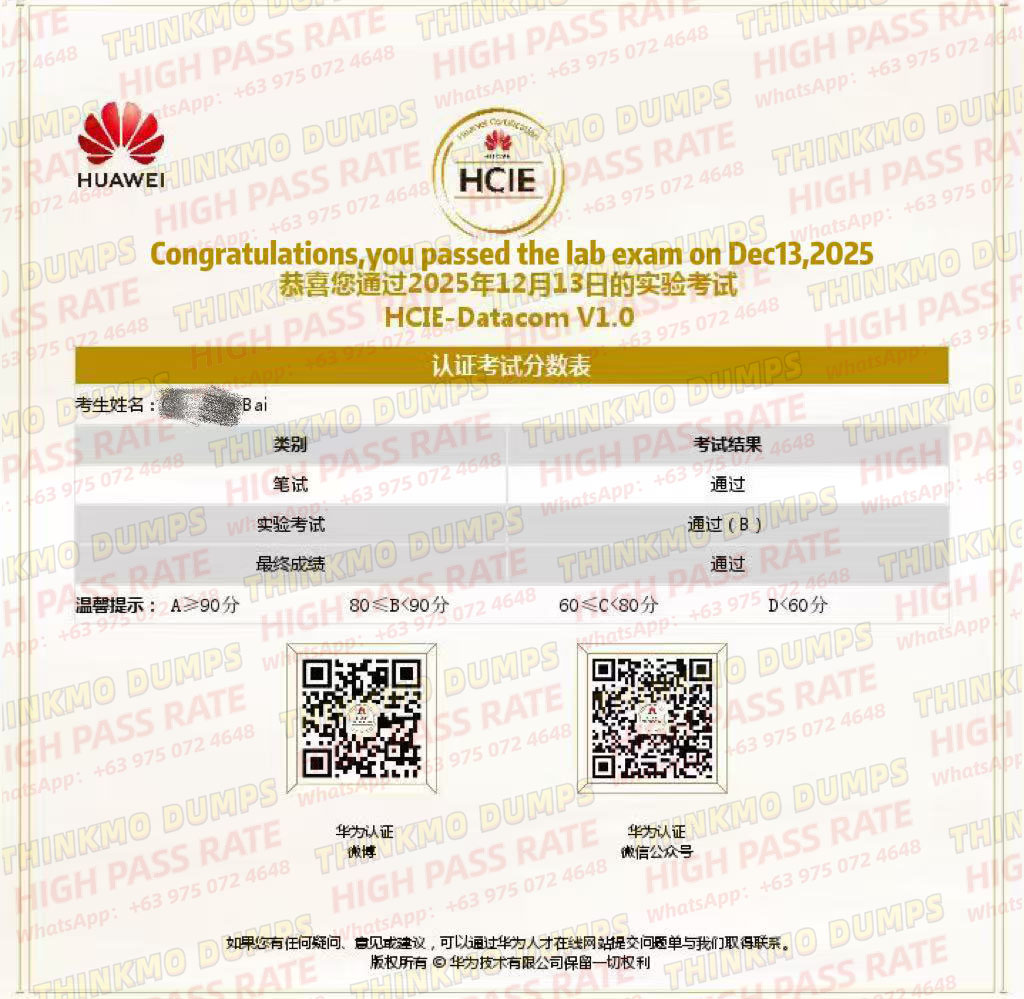
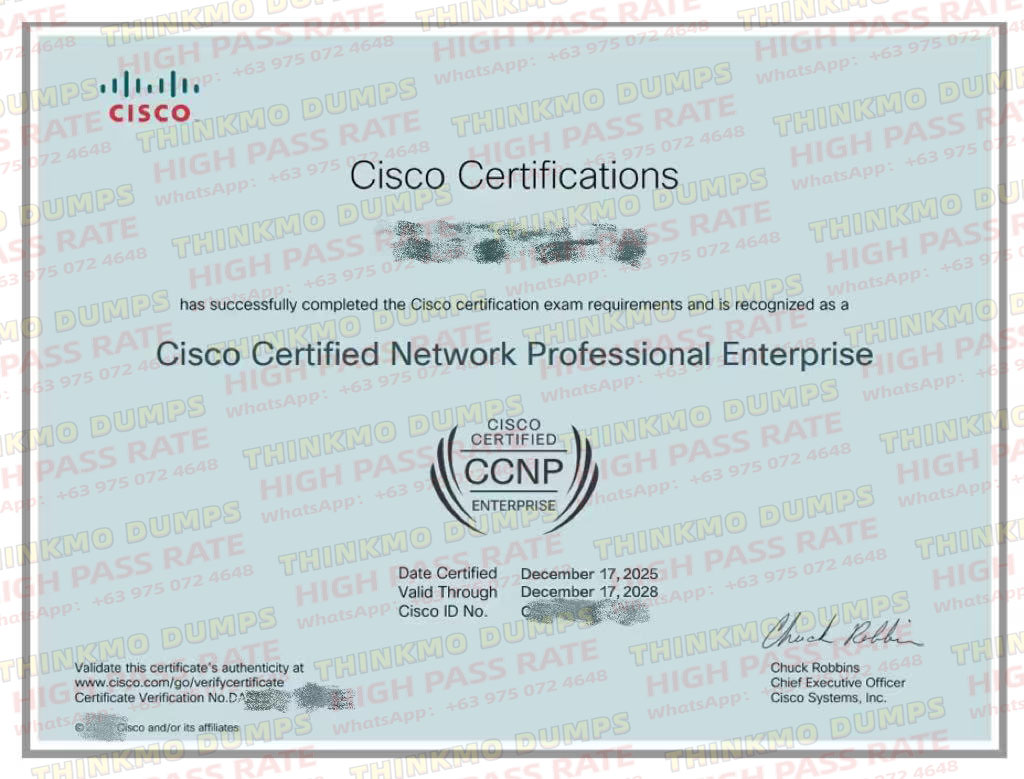
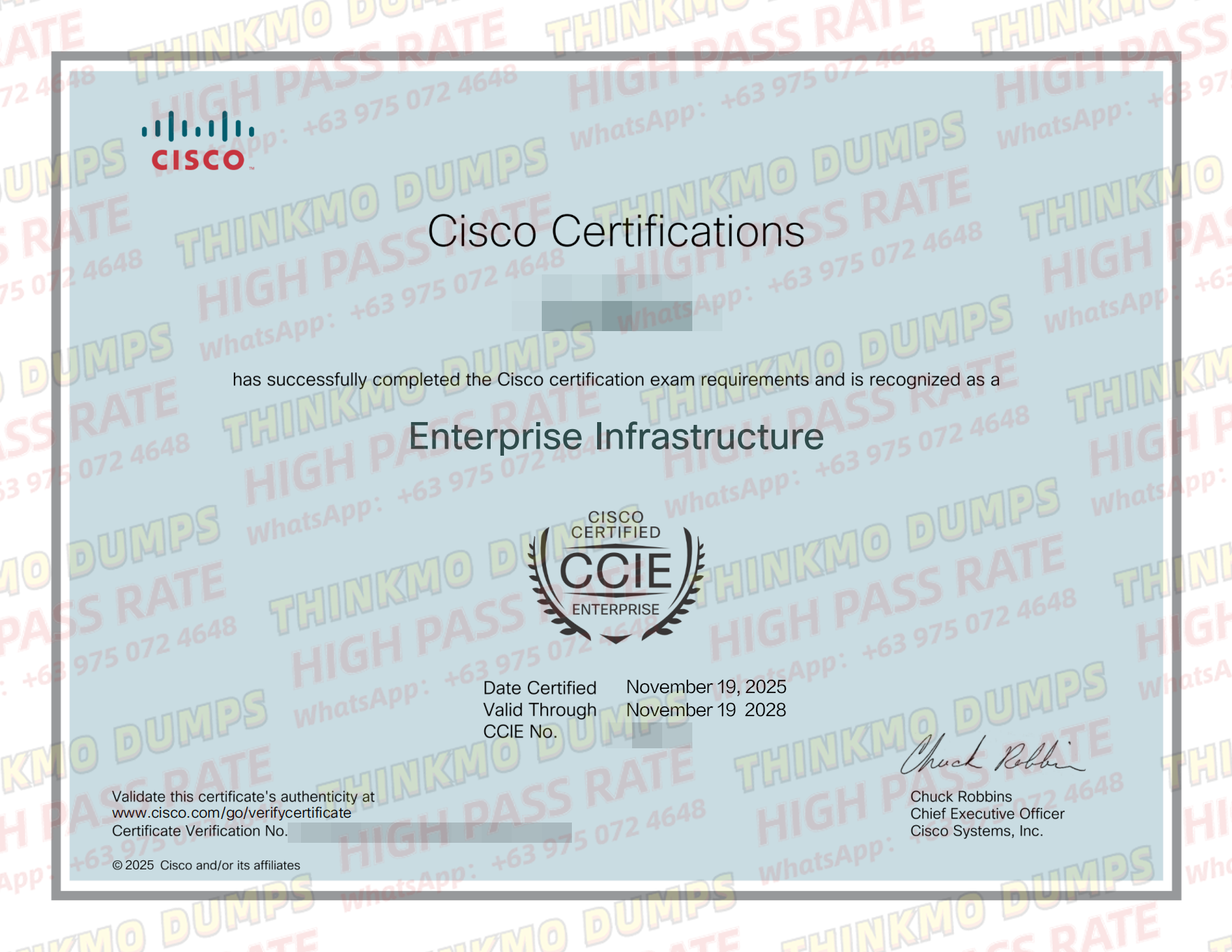
Launched in 1993, Cisco Certification has become a globally recognized authoritative certification for network technology. Its system covers a complete career path from entry-level to architect-level, including four core tiers: CCT (Entry-level), CCNA (Associate-level), CCNP (Professional-level), CCIE/CCDE (Expert-level) and CCAr (Architect-level). Among them, CCIE is hailed as the "ultimate honor for network engineers".
The core advantages of Cisco Certification lie in its technical versatility and international endorsement. Its courses are deeply integrated with universal network protocols such as BGP and OSPF, featuring strong cross-vendor adaptability. It is recognized by over 80% of Fortune 500 companies in North America, making it a must-have qualification for employment in foreign-funded enterprises and overseas markets. However, the cost of Cisco Certification exams is relatively high. The CCIE exam fee is about 15,000 RMB, and the pass rate of the 8-hour intensive lab exam is only 20%-30%, demanding extremely high technical proficiency.
It is suitable for three types of people: practitioners planning to develop overseas or enter foreign-funded enterprises, technology enthusiasts dedicated to in-depth study of underlying principles of network protocols, and operation and maintenance personnel focusing on the Cisco equipment stock market in traditional industries such as finance and energy.
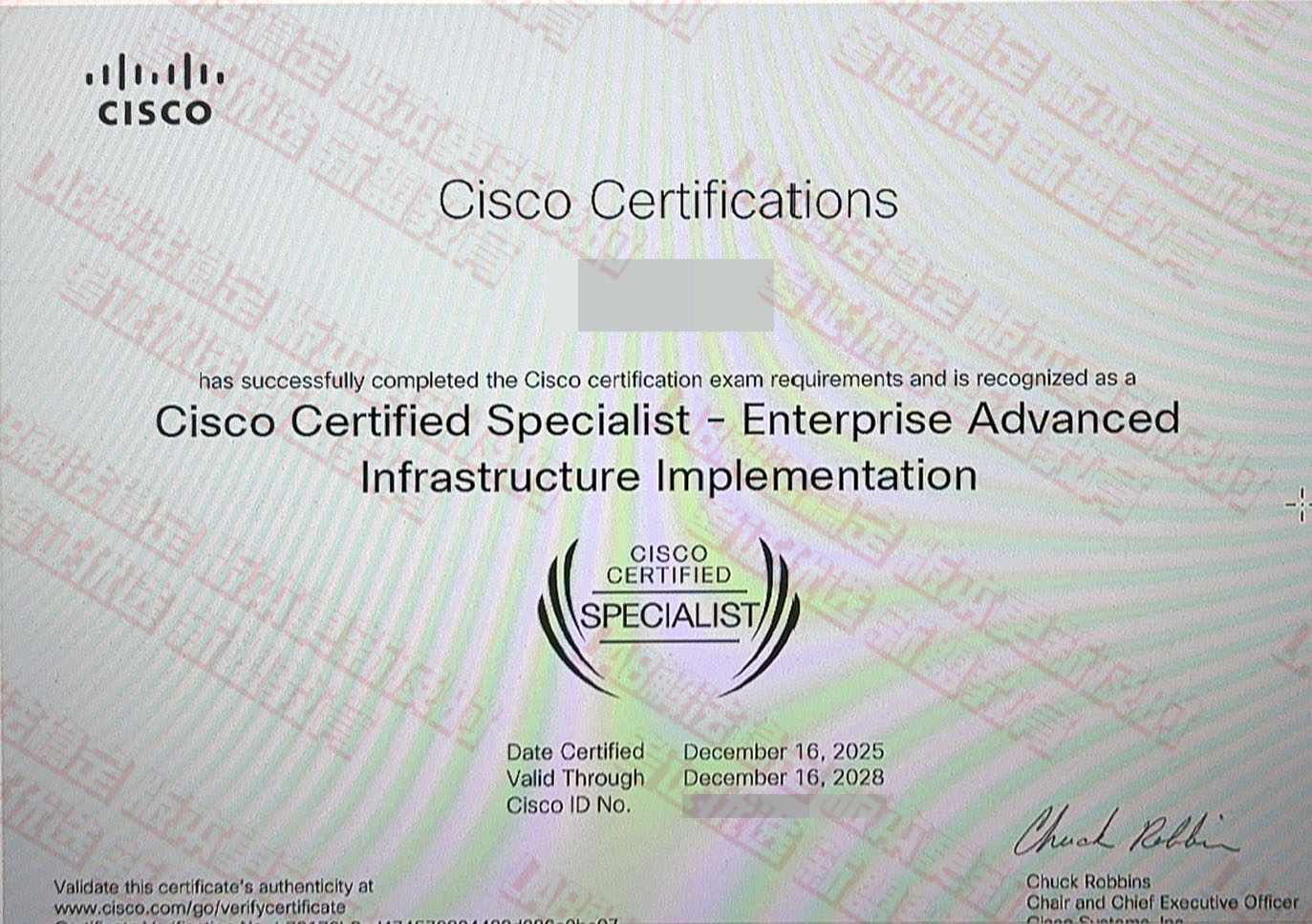
Initiated in 2001, Huawei Certification adopts a three-level progressive system: HCIA (Junior-level) → HCIP (Intermediate-level) → HCIE (Expert-level), covering six cutting-edge fields including data communication, cloud computing, 5G and AI. As a certification system of a leading local technology giant, its content is highly compatible with Huawei equipment and domestic digital transformation needs, with a coverage rate of over 80% in domestic government and enterprise projects.
The core competitiveness of Huawei Certification is reflected in its localized adaptation and coverage of emerging technologies. HCIE certificate holders earn 30% higher salaries than non-certified counterparts in China, with an average annual salary of 300,000-500,000 RMB. It is particularly favored by operators, state-owned enterprises and government cloud projects. The exam cost is relatively affordable, with the HCIE fee around 10,000 RMB. There are dense exam centers across China, and free learning resources such as the eNSP simulator are also available. However, its international recognition is limited by ecological barriers, making it more suitable for practitioners focusing on the domestic market.
It is suitable for job seekers targeting positions in domestic government, enterprises and operators, trailblazers focusing on emerging technologies such as 5G and cloud-network integration, and cost-sensitive learners with limited budgets.
Whether it is Cisco's global technology or Huawei's localized ecosystem, ThinkMo provides targeted systematic training support. Founded in 2009, ThinkMo is an established IT education institution with over 10 years of teaching experience. It has served more than 180,000 learners and delivered tens of thousands of IT talents to hundreds of well-known enterprises including Cisco and Lenovo.
In terms of training advantages, ThinkMo has multiple core guarantees: as an authorized Huawei HALP training institution, it has in-depth cooperation with official partners such as Cisco and Alibaba Cloud, ensuring formal and reliable qualifications; all teaching staff are senior instructors holding official certifications, with both enterprise project experience and teaching expertise. The courses focus on practical cases, achieving the dual goals of "obtaining certifications + mastering practical skills"; it also provides one-on-two teaching services and employment recommendations, offering full support from exam preparation to job hunting. The course content keeps pace with market changes and accurately matches the actual needs of enterprises.
Choosing between Cisco and Huawei Certification is essentially a positioning of your career ecosystem: prioritize Cisco if you focus on the international market and in-depth technology; opt for Huawei if you specialize in domestic government, enterprise sectors and emerging technologies; for advanced learners with sufficient time and budget, holding dual certifications can increase salary premiums by 20%-30%, making you suitable for high-end scenarios such as hybrid networking.
Regardless of the path you choose, systematic learning and practical training are the keys to success. The advantage of ThinkMo's customized courses is that they can not only help you break through the high-difficulty lab exam of Cisco CCIE, but also support you in passing all stages of Huawei HCIE (written exam, lab exam and interview), enabling learners to efficiently convert certification value and achieve career leapfrogging.
Certification is a endorsement of technical capabilities, not the end point. In today's rapidly evolving ICT industry, with the professional training of ThinkMo, transforming the technologies behind the certifications into practical project capabilities is the core of long-term competitiveness.